Compiled by TutorContracts from the sources listed below, checked on 5 November 2026. We sell the templates linked on this page.
How to become a private tutor in the UK (2026): checks, tax and paperwork
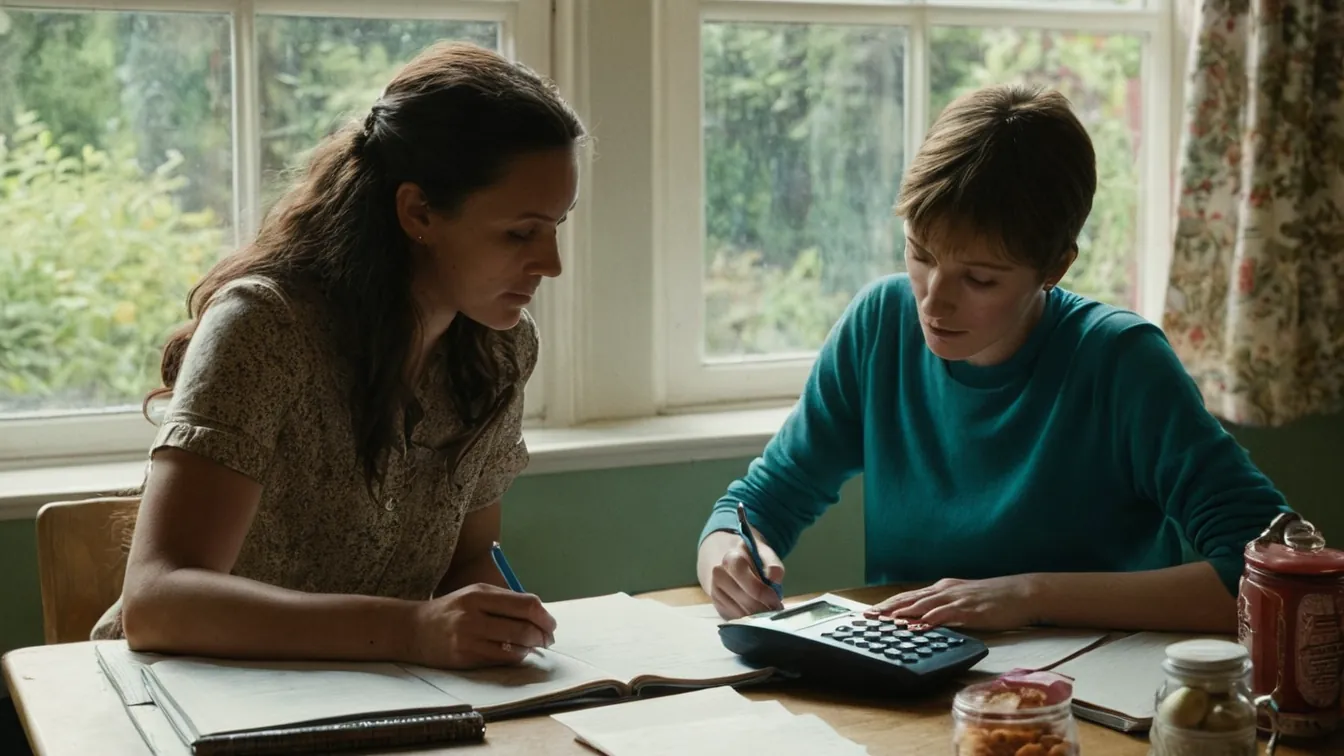
You do not need a teaching qualification to become a private tutor in the UK, but you do need to set yourself up properly. The criminal record check depends on where you tutor: in England and Wales, a paid self-employed tutor in an eligible role can apply for their own Enhanced DBS check through an umbrella body since 21 January 2026; in Scotland, tutoring a child for their parent is a regulated role that legally requires PVG scheme membership; in Northern Ireland, eligible tutors apply for an AccessNI check through an Umbrella Body. If your gross trading income from all your trades, tutoring included, goes over £1,000 in a tax year, register for Self Assessment by 5 October after that tax year ends. Then set your rates, agree written terms with parents and keep a safeguarding policy.
Do you need qualifications to be a private tutor?
No qualification is required by law. Prospero Teaching notes that there is no legal requirement to hold Qualified Teacher Status (QTS) to tutor privately, although QTS is typically required to teach in maintained schools.
In practice, parents choose tutors on subject knowledge, results and trust. A strong grade in the subject you teach, experience with the exam board and level, and clear evidence of safeguarding checks will matter more to most families than a certificate on its own.
Criminal record checks: DBS, PVG or AccessNI
Which check you need depends on where you tutor. DBS checks cover England and Wales. In Scotland, Disclosure Scotland runs the Protecting Vulnerable Groups (PVG) scheme: mygov.scot says it is a legal requirement to join the PVG scheme if you are going to do a regulated role, and it lists being employed by a parent as a tutor for their child as an example. If you are self-employed, check the role with its online tool and apply yourself. In Northern Ireland, checks come from AccessNI: nidirect says a self-employed person in regulated activity with children can apply for their own standard or enhanced check through an Umbrella Body, and its tutor example is eligible for an enhanced check with the children's barred list.
In England and Wales the rules changed this year. GOV.UK says that from 21 January 2026, self-employed workers who are paid for their roles can apply for an Enhanced DBS check, or Enhanced with Barred List checks, through a registered DBS umbrella body, if the role is eligible. It names private tutors offering lessons directly to children as an example. The eligibility rules did not change, the existing DBS fees apply and umbrella bodies may add their own admin fee.
Parents cannot apply for a DBS check for you. The DBS guide for parents says they cannot apply on behalf of an individual, and that a self-employed worker must apply through an umbrella body themselves.
In England and Wales, if you are not eligible for an Enhanced check, anyone aged 16 or over can apply for a basic check on GOV.UK, which costs £20 and usually takes up to 3 days to process. Once you hold a standard or Enhanced certificate, the DBS Update Service costs £15 a year and you must join within 30 days of the certificate being issued. It lets parents, with your permission, check whether anything has changed. Read more in our guide to DBS checks for tutors.
Registering with HMRC and paying tax
Most private tutors work as sole traders. The trading allowance means the first £1,000 of gross trading income in a tax year is tax free. It covers all your trades together, not each one separately, so if your tutoring and any other self-employment add up to £1,000 or less you usually do not need to tell HMRC, although you should still keep records. If your combined gross trading income is more than £1,000, you must register for Self Assessment by 5 October following the end of that tax year.
These are the figures for the 2026 to 2027 tax year published on GOV.UK:
| Rule | 2026 to 2027 figure | What it means for a tutor |
|---|---|---|
| Trading allowance | £1,000 gross a year across all your trades | Above this, register for Self Assessment. If you claim the allowance you cannot also deduct expenses |
| Register for Self Assessment | By 5 October after the tax year | Telling HMRC late can mean a penalty |
| Class 4 National Insurance | 6% on profits £12,570 to £50,270, 2% above | Paid through your Self Assessment return |
| Class 2 National Insurance | Treated as paid at £7,105 profit or more | Below that you can pay voluntarily at £3.65 a week |
| Making Tax Digital for Income Tax | From 6 April 2026 if qualifying income was over £50,000 in 2024 to 2025, or 6 April 2027 if over £30,000 in 2025 to 2026 | From 6 April 2028 if over £20,000 in 2026 to 2027. Qualifying income is self-employment plus property income before expenses, and you still file a tax return every year |
| VAT registration threshold | £90,000 of VAT taxable turnover | HMRC treats qualifying private tuition by an individual teacher as exempt, see below |
VAT, data protection and insurance
HMRC's VAT manual says private tuition is exempt from VAT when an individual teacher works on their own account and at their own risk, and the subject is one ordinarily taught in a school or university. If you hire other tutors, form a company or teach a subject outside that test, take advice, because the position can be different.
You will hold parents' contact details and notes about pupils. The ICO says that organisations, including sole traders, that use personal information need to pay a data protection fee unless they are exempt, so check the ICO's guidance for your situation.
Insurance is a business decision rather than something set by one rule. Many tutors look at public liability and professional indemnity cover, and if you teach at home or drive to pupils, check that your home and car insurance cover business use.
Setting your rates
Tutorperch's analysis of UK tutor profiles reports a median listed rate of £30 an hour, with a London median of £40. Agency guides tend to report higher figures. Set your rate from your subject, level, experience and area, and decide up front how you will handle cancellations and payment in advance. Our guide to what private tutors charge breaks the figures down by level and region.
Finding your first pupils
Most new tutors combine a few routes: tutoring platforms, agencies, local word of mouth and their own simple website or profile. Read platform terms carefully, including who pays the platform fee and whether you can keep working with a family directly later. Agencies often have non-solicitation terms, so read our agency terms checklist before you sign.
Safeguarding and paperwork before lesson one
The Department for Education's safeguarding guidance for out-of-school settings applies to private tuition. Its guide for parents tells them to check whether a tutor working alone has had a DBS check and has a written child protection policy, and it lists unsupervised one-to-one contact with children without parental consent as a warning sign.
Before the first lesson, have these in writing:
- A tutoring agreement covering lessons, fees, payment terms and notice
- A cancellation policy that says what happens when a lesson is missed
- A safeguarding policy and how you will record and report a concern
- Parental consent for lessons, online sessions and contact arrangements
- A privacy notice explaining what pupil data you keep and why
- Your DBS certificate details, and Update Service status if you subscribe
Get the free Tutoring Business Setup Checklist: 23 questions and a signed declaration, emailed to you as a print-ready form.
Free template
Get the print-ready Tutoring Business Setup Checklist
A print-ready checklist that takes a new private tutor through checks, tax registration, insurance, rates and paperwork, with space to note dates and reference numbers. Free, and yours to keep.
Frequently asked questions
Do I need a DBS check to be a private tutor?
It depends where you tutor. In Scotland, mygov.scot says joining the PVG scheme is a legal requirement for a regulated role, and being employed by a parent as a tutor for their child is listed as one. In England and Wales there is no single legal rule that every private tutor must hold a DBS check, but families and agencies often ask and the Department for Education's guide for parents tells them to check; since 21 January 2026, paid self-employed tutors in eligible roles can apply for their own Enhanced check through a DBS umbrella body. In Northern Ireland, an eligible self-employed tutor can apply for an AccessNI enhanced check through an Umbrella Body.
Can I tutor without telling HMRC?
If your gross trading income from all your trades in a tax year is £1,000 or less, the trading allowance means you usually do not need to tell HMRC, although you should keep records. Over £1,000, you must register for Self Assessment by 5 October after the end of that tax year.
Do I need a teaching degree or QTS to tutor?
No. QTS is typically needed to teach in maintained schools, not to tutor privately. Parents will still want evidence that you know your subject and the exam you are preparing pupils for.
Do private tutors charge VAT?
HMRC's VAT manual says private tuition by an individual teacher working on their own account, in a subject ordinarily taught in a school or university, is exempt from VAT. If you employ other tutors, trade through a company or teach other subjects, get advice.
How much should I charge as a new tutor?
Tutorperch reports a UK median listed rate of £30 an hour, and £40 in London. Start from what tutors at your level charge locally for your subject, then review your rate each year.
Sources
- Self-employed workers and personal employees can now apply for Enhanced DBS checks, GOV.UK
- A guide for parents and carers employing self-employed workers or personal employees, Disclosure and Barring Service (GOV.UK)
- DBS Update Service, GOV.UK
- Request a basic DBS check, GOV.UK
- Tax-free allowances on property and trading income, GOV.UK
- Register for Self Assessment, GOV.UK
- Self-employed National Insurance rates, GOV.UK
- Check if you're eligible for Making Tax Digital for Income Tax, GOV.UK
- VATEDU40200: scope of the private tuition exemption, HMRC (GOV.UK)
- Data protection fee, ICO
- Using after-school clubs, tuition and community activities, Department for Education (GOV.UK)
- How to become a tutor in the UK, Prospero Teaching
- The UK Private Tutoring Rate Report 2026, Tutorperch
- Apply to the PVG scheme if you are self-employed, mygov.scot
- Protecting Vulnerable Groups (PVG) scheme, mygov.scot
- AccessNI checks for self-employed or personal employees, nidirect
- AccessNI criminal record checks, nidirect
- Find out if and when you need to use Making Tax Digital for Income Tax, GOV.UK
- Work out your qualifying income for Making Tax Digital for Income Tax, GOV.UK
- Using Making Tax Digital for Income Tax for the first time, GOV.UK
Your teaching is good. Your terms should be too.
Payment, notice and safeguarding agreed with parents before lesson one.
A tutor with a business behind the teaching.
These articles are general guidance for UK private tutors, not legal advice. Our documents are editable templates: adapt them to your own tuition, check your insurer's requirements and take advice where the stakes are high.